
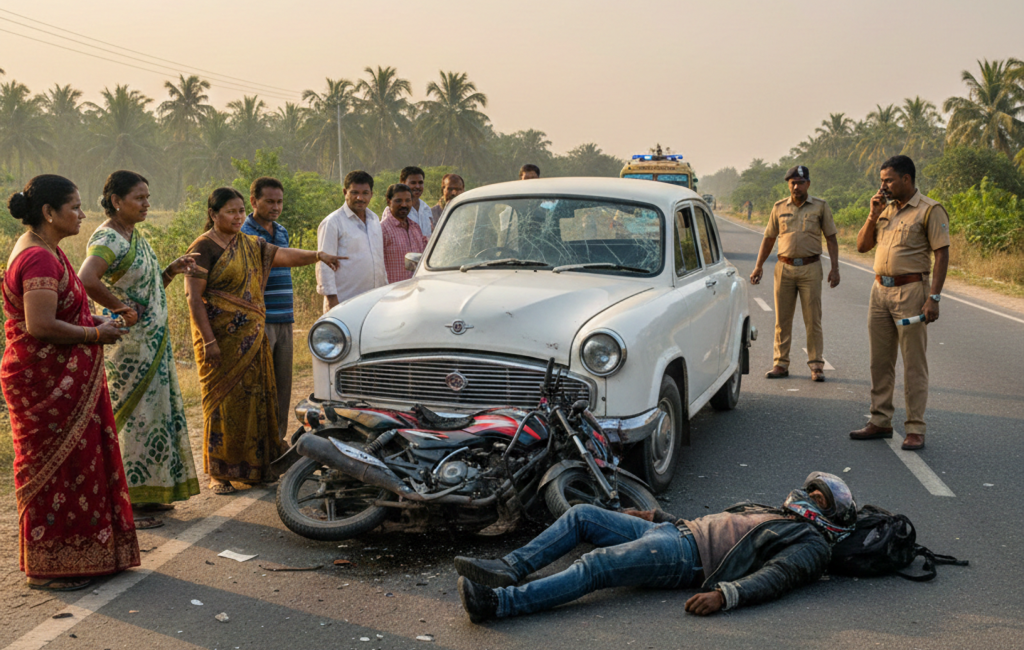
The road is the lifeline of modern civilization. It connects our homes to our workplaces, our schools to our playgrounds, and our emergencies to our care centers. However, for all its convenience, the road is also one of the most dangerous environments humans navigate daily.
According to the World Health Organization (WHO), approximately 1.19 million people die each year as a result of road traffic crashes. Millions more suffer non-fatal injuries, many of which result in permanent disabilities. At Trulife Healthcare, we see the aftermath of these incidents every day—the long road to rehabilitation, the struggle for mobility, and the emotional toll on families.
This comprehensive guide explores the multifaceted world of road safety, from individual responsibilities to the cutting-edge technology of 2026 that is helping us achieve “Vision Zero.”
Part 1: The Global and National Crisis
1.1 The Staggering Statistics
Road traffic injuries are currently the leading cause of death for children and young adults aged 5–29 years. While we often view accidents as “random events,” the data suggests they are largely predictable and preventable.
- The Socio-Economic Impact: Road crashes cost most countries 3% of their gross domestic product (GDP).
- Vulnerable Road Users: More than half of all road traffic deaths are among “vulnerable road users”: pedestrians, cyclists, and motorcyclists.
- The Middle-Income Burden: 90% of the world’s fatalities on the roads occur in low- and middle-income countries, despite these countries having only around 60% of the world’s vehicles.
1.2 Road Safety in India (2025–2026 Context)
In India, the situation remains critical. With the expansion of high-speed expressways and the rising number of vehicles, the risk of high-impact collisions has increased. National Road Safety Month 2026 has recently highlighted a shift toward “Transformation through Technology,” emphasizing that awareness alone isn’t enough; we need smarter infrastructure and stricter enforcement.
Part 2: The Five Pillars of Road Safety
To understand how to stay safe, we must look at the “Safe System” approach, which focuses on five key pillars.
2.1 Pillar One: Safe Speeds
Speed is the single most significant factor in both the occurrence of a crash and the severity of its consequences.
- The Physics of Impact: A 1% increase in average speed results in a 4% increase in fatal crash risk.
- Pedestrian Survival: A pedestrian hit by a car at 30 km/h has a 90% chance of survival. At 50 km/h, that chance drops to less than 50%.
- Why We Speed: Psychologically, drivers often suffer from “time-saving bias,” where they overestimate the time saved by speeding and underestimate the risk.
2.2 Pillar Two: Safe Vehicles
In 2026, vehicle safety has moved beyond just air bags. Modern standards now include:
- Electronic Stability Control (ESC): Prevents skidding and loss of control.
- Autonomous Emergency Braking (AEB): Sensors that detect a collision and apply brakes faster than a human can.
- Crumple Zones: Structural engineering that absorbs the energy of an impact before it reaches the passengers.
2.3 Pillar Three: Safe Road Infrastructure
Roads must be designed to be “forgiving.” This means:
- Separating Traffic: Keeping pedestrians and cyclists away from high-speed motor vehicles.
- Traffic Calming: Using speed bumps, chicanes, and roundabouts to naturally slow traffic in residential areas.
- Clear Signage: Ensuring that drivers aren’t confused by poor lighting or hidden signs.
2.4 Pillar Four: Safe Road Users (Behavior)
This is where the individual comes in. No matter how safe the car or road is, human behavior remains the leading cause of 94% of accidents.
- The Big Four Killers: 1. Distracted Driving: Primarily mobile phone usage. 2. Drunk Driving: Impairment of reflexes and judgment. 3. Non-use of Helmets/Seatbelts: These are the most effective life-saving tools in a crash. 4. Fatigue: Drowsy driving is often as dangerous as drunk driving.
2.5 Pillar Five: Post-Crash Care
At Trulife Healthcare, this is where our expertise lies. The “Golden Hour”—the first 60 minutes after an accident—is crucial. Effective emergency response and subsequent rehabilitation determine whether a victim recovers or lives with a lifelong disability.
Part 3: Deep Dive into Driver Safety
3.1 The Psychology of the Driver
Safe driving starts in the mind. Stress, anger, and “road rage” can lead to aggressive maneuvers.
- Defensive Driving: This is the art of driving as if everyone else on the road is about to make a mistake. It involves maintaining a 3-second gap, scanning the horizon, and always having an “escape route” in mind.
- The Myth of Multitasking: The human brain cannot focus on two complex tasks at once. Using a hands-free phone still reduces the brain’s “vision” by up to 50% because the mind is occupied with the conversation rather than the road environment.
3.2 Vehicle Maintenance: The Silent Protector
A safe driver in an unsafe car is still at risk. Regular checks are mandatory:
- Tyre Health: Worn-out treads lead to hydroplaning in the rain.
- Brake Systems: Spongy brakes or squealing sounds should never be ignored.
- Lights and Indicators: Being visible to others is just as important as seeing them.
Part 4: Protecting the Most Vulnerable
4.1 Pedestrian Safety: The Right to Walk
In cities like Delhi, pedestrians often face the greatest risk.
- Rules for Walkers: Always use the footpath. If there isn’t one, walk on the side facing oncoming traffic.
- The “Look-Left-Right-Left” Rule: It sounds simple, but it saves lives.
- Visibility at Night: Wear light-colored clothing or reflective strips.
4.2 Two-Wheeler Safety: The Helmet is Non-Negotiable
Motorcyclists are 27 times more likely to die in a crash than car occupants.
- Full-Face Helmets: These provide the best protection for the jaw and head.
- The ISI Mark: In India, ensure your helmet meets national safety standards.
- Pillion Safety: The passenger is just as vulnerable; they must wear a helmet too.
4.3 Child Safety: Our Greatest Responsibility
Children do not have the same spatial awareness as adults.
- Child Seats: Using a rear-facing seat for infants can reduce the risk of death by 70%.
- School Zones: Drivers must drop their speed to 20 km/h in these areas.
- Education: We must teach children road manners from a young age through “Stop, Look, and Listen” drills.
Part 5: The Future of Road Safety (2026 and Beyond)
Technology is transforming the landscape of road safety.
- AI and Satellite Monitoring: High-resolution satellite imagery is now being used to detect accident hotspots in real-time, allowing authorities to intervene before a crash occurs.
- Connected Infrastructure: Smart traffic lights that can “talk” to cars, warning them of an approaching emergency vehicle or a pedestrian hidden in a blind spot.
- V2X Communication: Vehicle-to-Everything (V2X) technology allows cars to share speed and position data with each other, virtually eliminating “intersection collisions.”
Part 6: Trulife Healthcare’s Role: Life After the Crash
Despite our best efforts, accidents happen. When they do, the journey doesn’t end at the hospital.
6.1 Rehabilitation and Physiotherapy
A road accident often results in orthopedic injuries, spinal trauma, or limb loss. Our center specializes in:
- Advanced Prosthetics: Helping amputees regain their independence with international-standard artificial limbs.
- Intensive Physiotherapy: Re-learning to walk or move after a traumatic injury requires patience and expert guidance.
- Psychological Support: Healing the “invisible wounds” of PTSD after a traumatic accident is vital for a full recovery.
6.2 Anaplastology: Restoring Confidence
For those who suffer facial or cosmetic trauma in road accidents, our anaplastology services provide custom silicone restorations, helping patients return to society with dignity and confidence.
Conclusion: Road Safety is a Shared Responsibility
Road safety is not just about rules; it is about respect. It is about respecting the speed limit, respecting the pedestrian, and respecting the value of human life.
Every time you buckle your seatbelt, put on a helmet, or put away your phone while driving, you are making a choice to protect yourself and everyone else on the road. At Trulife Healthcare, we believe in a world where no family has to suffer the loss of a loved one to a preventable crash.
Drive safe. Walk safe. Live long.
Key Takeaways for the Reader:
- Speed Kills: Small reductions in speed lead to massive gains in safety.
- Focus is Vital: Distraction is the silent enemy of the modern driver.
- Maintenance Matters: Your car is only as safe as its last service.
- Protect the Vulnerable: Always give way to pedestrians and cyclists.
- Rehab Works: If the worst happens, professional healthcare can restore your quality of life.
For professional consultation on rehabilitation, prosthetics, or physiotherapy following a road injury, contact Trulife Healthcare India at +91 9910213766 or visit our clinic in Delhi.