
Bathroom safety- Towards a safe future
The bathroom, often overlooked in the grand scheme of home safety, is a deceptively dangerous space. Far from being a mere utilitarian room, it’s a sanctuary for some, a place of privacy and rejuvenation. Yet, statistics paint a stark picture: the bathroom is a leading location for accidents in the home, with slips, falls, and scalding injuries topping the list. This extensive guide will delve deep into every facet of bathroom safety, providing actionable advice and practical solutions to transform your bathroom into a truly safe haven for everyone, from toddlers to seniors.
The Hidden Hazards: Understanding the Risks
Before we can fortify our bathrooms, we must first understand the enemy. The unique combination of hard, slippery surfaces, water, electricity, and heat creates a perfect storm for accidents.
1. The Slippery Slope: Falls and Slips
This is, without a doubt, the most prevalent hazard.
- Wet Floors: Water from showers, baths, and sinks inevitably spills or splashes, turning smooth tiles or linoleum into ice rinks.
- Soap and Shampoo Residue: These substances further reduce friction, making even dry floors treacherous.
- Lack of Grab Bars: Without stable support, individuals, especially those with mobility issues, can easily lose their balance.
- Loose Rugs and Mats: Ironically, sometimes the very things meant to prevent slips can cause them if they bunch up or lack non-slip backing.
- Getting In and Out of Tubs/Showers: The high step over a tub wall combined with wet surfaces is a prime location for a fall.
2. The Shocking Truth: Electrical Dangers
Water and electricity are a deadly combination.
- Outlets Near Water: Standard outlets too close to sinks or tubs pose a severe electrocution risk if appliances fall in or splashes occur.
- Faulty Wiring/Appliances: Frayed cords on hair dryers, curling irons, or electric razors can lead to shocks.
- Lack of GFCI Outlets: Ground-Fault Circuit Interrupters are crucial safety devices designed to cut power instantly if a ground fault occurs, preventing severe shocks.
3. The Burning Issue: Scalding and Burns
Hot water, while comforting, can be dangerous.
- Excessively Hot Water Heaters: Water heaters set too high can deliver water at temperatures that cause third-degree burns in seconds.
- Unattended Children: Young children, with their thinner skin and inability to react quickly, are particularly vulnerable to scalding.
- Sudden Temperature Changes: In older plumbing systems, flushing a toilet or turning on a tap elsewhere can cause sudden, dangerous spikes in shower water temperature.
4. The Chemical Conundrum: Poisoning and Irritation
Bathrooms often house a multitude of cleaning products and medications.
- Inaccessible Cleaning Products: Bleach, drain cleaner, toilet bowl cleaner, and other harsh chemicals are highly toxic if ingested or come into contact with skin/eyes.
- Unsecured Medications: Prescription drugs, over-the-counter medicines, and even vitamins can be dangerous if ingested by children or pets, or misused by adults.
- Poor Ventilation: Mixing certain cleaning chemicals in poorly ventilated spaces can create hazardous fumes.
5. The Silent Threat: Carbon Monoxide
While less common, gas-powered water heaters or faulty ventilation in adjoining spaces can lead to carbon monoxide buildup, a colorless, odorless, and deadly gas.
A Room-by-Room Safety Audit: Transforming Your Bathroom
Now that we understand the risks, let’s systematically address them, making your bathroom a bastion of safety.
I. The Floor: Your Foundation of Safety
The floor is where most bathroom accidents begin.
- Non-Slip Flooring: If you’re renovating or building, prioritize non-slip tiles or flooring materials. Look for tiles with a higher coefficient of friction (COF). Textured finishes are preferable to glossy, smooth ones.
- Rugs and Mats with Purpose:
- Non-Slip Backing is Non-Negotiable: Any bath mat, rug, or runner must have a secure, non-slip rubber or silicone backing.
- Proper Placement: Place mats directly outside the shower/tub and in front of the sink.
- Regular Cleaning: Keep mats clean to prevent soap scum or grime buildup that can reduce their grip.
- Avoid Loose Rugs: Especially in high-traffic areas, opt for wall-to-wall carpeting (though this has its own maintenance challenges) or securely anchored mats rather than small, loose rugs.
- Immediate Spill Cleanup: Make it a habit to wipe up any water or spills immediately. Keep a small squeegee or towel handy.
- Consider a Floor Squeegee: For larger bathrooms or those with frequent splashes, a dedicated floor squeegee can quickly clear water.
II. The Shower/Tub Area: The High-Risk Zone
This is the epicenter of slips and falls.
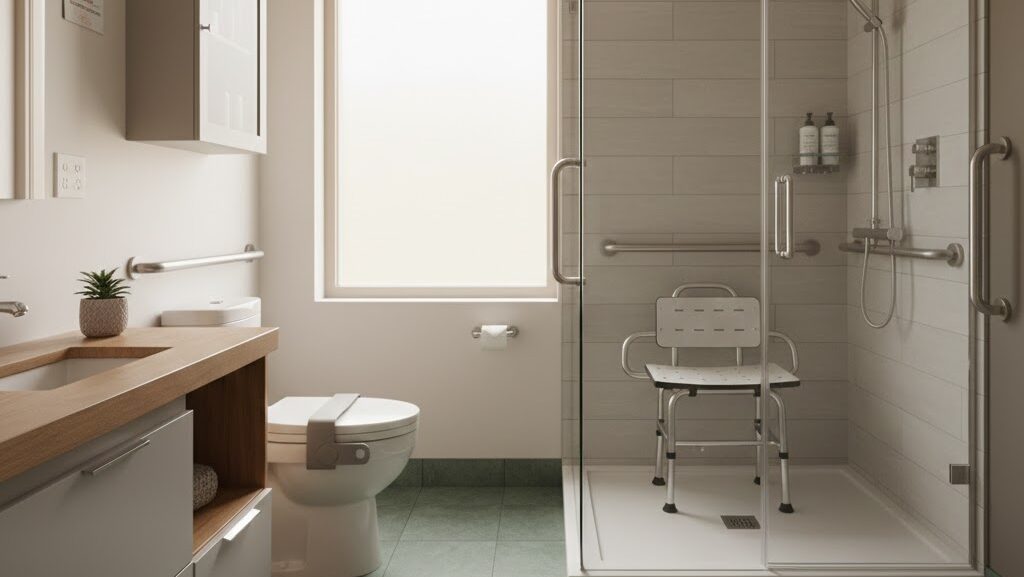
- Grab Bars: Not Just for Seniors: Install sturdy, securely mounted grab bars inside the shower/tub, near the entrance, and beside the toilet. They provide crucial support for everyone, regardless of age or ability. Ensure they are professionally installed into wall studs, not just drywall.
- Horizontal Grab Bars: Excellent for balance and support when standing.
- Vertical Grab Bars: Helpful for pulling oneself up or steadying during transfers.
- Angled Grab Bars: Can offer benefits of both horizontal and vertical, depending on placement.
- Test Them: Once installed, always test them by applying significant weight to ensure they are secure.
- Non-Slip Surfaces IN the Shower/Tub:
- Textured Tub/Shower Bottom: Many modern tubs and shower bases come with integrated anti-slip surfaces.
- Adhesive Strips/Mats: If your tub or shower is smooth, apply self-adhesive non-slip strips or use a suction-cup bath mat. Clean these regularly to prevent mildew and ensure the suction cups remain effective.
- Shower Chairs/Benches: For individuals with balance issues, limited mobility, or who simply want to sit while showering, a sturdy shower chair or bench is invaluable. Look for models with non-slip feet and drainage holes.
- Handheld Showerheads: These offer greater control and flexibility, making showering easier and safer, especially for those using a shower chair or who need assistance.
- Easy-Access Showers: For major renovations, consider a walk-in shower with a low or zero-threshold entry. This eliminates the dangerous step over a tub wall.
- Door Safety: Ensure shower doors glide smoothly and are made of tempered glass. If you have a shower curtain, ensure it’s long enough to prevent water from splashing out but not so long that it becomes a tripping hazard.
- Soap Dispensers: Wall-mounted soap and shampoo dispensers eliminate slippery bottles cluttering the shower floor, reducing the risk of bending over and slipping.
III. Water Temperature Control: Preventing Burns
Scalding can happen in an instant.
- Lower Water Heater Temperature: Set your water heater to no higher than 120°F (49°C). This is generally considered the maximum safe temperature to prevent scalding while still being hot enough for sanitation.
- Anti-Scald Devices/Thermostatic Valves: Install thermostatic mixing valves (TMVs) or pressure-balancing valves in your shower. These devices automatically adjust water pressure and temperature to prevent sudden spikes in hot water, even if a toilet is flushed elsewhere.
- Test Water Temperature: Always test the water temperature with your hand or elbow before getting into the shower or bath, especially for children and the elderly.
- Supervise Children: Never leave young children unattended in the bath, even for a second. Fill the tub with cold water first, then add hot water, mixing thoroughly.
IV. Electrical Safety: Keeping Shocks at Bay
Electricity and water are a lethal mix – strict precautions are necessary.
- GFCI Outlets are Mandatory: All bathroom outlets must be Ground-Fault Circuit Interrupter (GFCI) protected. These devices sense imbalances in the electrical current and trip instantly, shutting off power to prevent electrocution. If your bathroom doesn’t have them, have an electrician install them immediately. Test GFCI outlets monthly using the “test” and “reset” buttons.
- Keep Appliances Away from Water: Never use electric appliances (hair dryers, curling irons, radios, heaters) near the sink, tub, or shower. Store them away from wet surfaces when not in use.
- Unplug Appliances: Always unplug small electrical appliances immediately after use.
- Inspect Cords: Regularly check power cords for fraying, cuts, or exposed wires. Replace damaged appliances or cords.
- Proper Lighting: Ensure adequate, well-distributed lighting to prevent falls and allow clear visibility. Consider motion-sensor lighting for convenience and added safety, especially at night.
- Ceiling-Mounted Heaters: If you need supplemental heat, opt for ceiling-mounted radiant heaters or fan heaters specifically designed for bathroom use, rather than portable electric heaters on the floor.
V. Storage and Organization: A Place for Everything
Clutter and accessibility are key safety factors.
- Child-Proof Locks: Install child-proof locks on all cabinets and drawers containing cleaning products, medications, sharp objects (razors, scissors), and any potentially harmful items.
- High Storage for Chemicals: Store all cleaning supplies and hazardous chemicals in a high, locked cabinet, completely out of reach of children and pets.
- Secure Medications: Keep all prescription and over-the-counter medications in their original, child-resistant containers. Store them in a locked medicine cabinet or a high, secured drawer, away from humidity and heat. Dispose of expired medications properly.
- Declutter Countertops and Floors: Keep countertops clear of unnecessary items. Remove anything that could be knocked over or obstruct movement. Ensure the floor is always free of towels, clothes, or other tripping hazards.
- Safe Razor Storage: Store razors in a secure, covered holder, out of reach of children.
- Towel Racks: Ensure towel racks are securely mounted and not used as grab bars (unless specifically designed as such).
VI. Toilet Safety: Often Overlooked
The toilet area also presents specific risks.
- Raised Toilet Seats: For individuals who find it difficult to sit down or stand up, a raised toilet seat (with or without armrests) can significantly improve safety and comfort.
- Grab Bars Around the Toilet: Install vertical or horizontal grab bars on the wall beside the toilet to aid in sitting and standing.
- Bidet Attachments/Toilets: Bidets can improve hygiene and reduce the need for twisting and reaching, which can be beneficial for those with limited mobility.
- Proper Toilet Bowl Cleaners: Use cleaners as directed and ensure good ventilation. Avoid mixing different cleaning products, as this can release dangerous fumes.
VII. Ventilation and Air Quality: Beyond the Obvious
Good ventilation isn’t just about preventing mildew; it’s about health and safety.
- Adequate Ventilation Fan: Ensure your bathroom has a properly sized and functioning exhaust fan that vents to the outside (not into the attic). Use it during and after showers/baths to reduce humidity and clear chemical fumes.
- Carbon Monoxide Detectors: If you have a gas-powered water heater in or near your bathroom, or an attached garage, install a carbon monoxide detector in the vicinity.
- Avoid Aerosols in Poorly Ventilated Spaces: Be mindful of using strong aerosol sprays or certain cleaning products in a closed bathroom.
VIII. Special Considerations: Tailoring Safety for All Ages
Bathroom safety is not a one-size-fits-all concept.
For Children:
- Supervision is Paramount: Never leave a child unattended in the bathroom, especially in the tub. Drowning can occur in mere inches of water.
- Test Water Temperature: Always test the water before a child enters the tub.
- Non-Slip Mats: Use a non-slip mat in the tub.
- Child-Proof Locks: Secure all cabinets and drawers with child-proof locks.
- Toilet Lid Locks: Consider a toilet lid lock to prevent curious toddlers from playing in or falling into the toilet.
- Safe Bath Toys: Ensure bath toys are free of mold and small parts that could be choking hazards.
- Electrical Safety: Keep all electrical appliances unplugged and out of reach.
For Seniors and Individuals with Mobility Issues:
- Grab Bars, Grab Bars, Grab Bars: Cannot be stressed enough. Strategically placed grab bars are crucial.
- Shower Chairs/Benches: Provide a safe resting place.
- Raised Toilet Seats: Reduce the effort required to sit and stand.
- Walk-In Showers/Tubs: Eliminate high thresholds.
- Non-Slip Flooring: Prioritize textured, non-slip surfaces.
- Accessible Storage: Ensure frequently used items are within easy reach without bending or stretching excessively.
- Emergency Call System: Consider installing a pull cord or personal alarm system in the bathroom, especially for those living alone, to alert others in case of a fall.
- Adequate Lighting: Good lighting is essential to reduce shadows and improve visibility, particularly for those with impaired vision.
- Clear Pathways: Keep pathways to and within the bathroom completely clear of clutter.
The Emergency Plan: What to Do When Accidents Happen
Even with the best precautions, accidents can still occur.
- First-Aid Kit: Keep a well-stocked first-aid kit readily accessible, but out of reach of children. Include burn cream, antiseptic wipes, bandages, and pain relievers.
- Emergency Contact Information: Have emergency numbers (ambulance, doctor, family members) clearly posted or easily accessible.
- Know CPR/First Aid: Consider taking a basic first aid and CPR course.
- Stay Calm: In an emergency, maintaining a calm demeanor can help you assess the situation and act effectively.
Conclusion: Investing in Peace of Mind
Bathroom safety is not a luxury; it’s a necessity. By systematically addressing the potential hazards and implementing the strategies outlined in this guide, you can significantly reduce the risk of accidents and transform your bathroom into a truly safe and comfortable space for everyone in your household. It’s an investment in peace of mind, well-being, and the longevity of your family’s health. Take the time to conduct a thorough safety audit of your bathroom today – your loved ones will thank you for it.